The Golden Era of Family-Friendly Television
For many years, Pakistani television earned widespread recognition for its ability to bring families together through meaningful, multi-generational storytelling. Unlike many international entertainment platforms that increasingly relied on provocative content, local dramas maintained a reputation for presenting compelling narratives that could be comfortably watched by viewers of all ages. This commitment to family-friendly programming became one of the industry’s defining strengths and a key reason for its enduring popularity.
A Noticeable Shift in Prime-Time Content
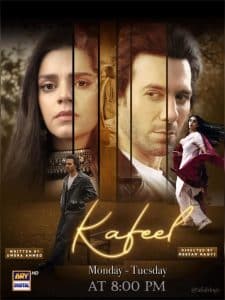
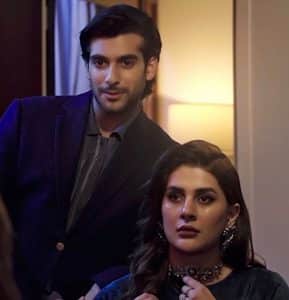
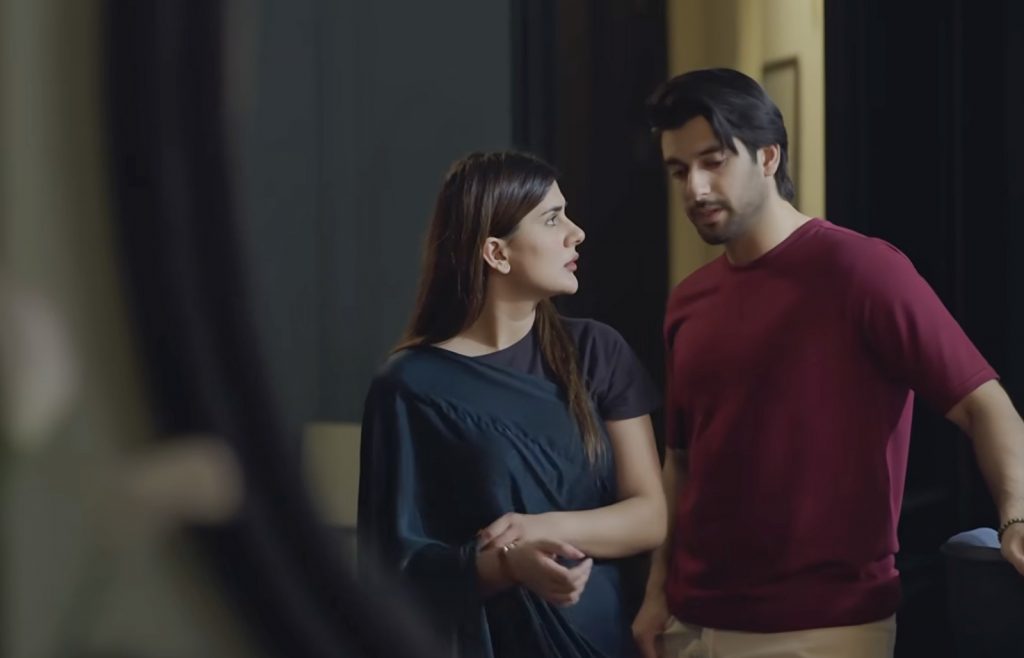
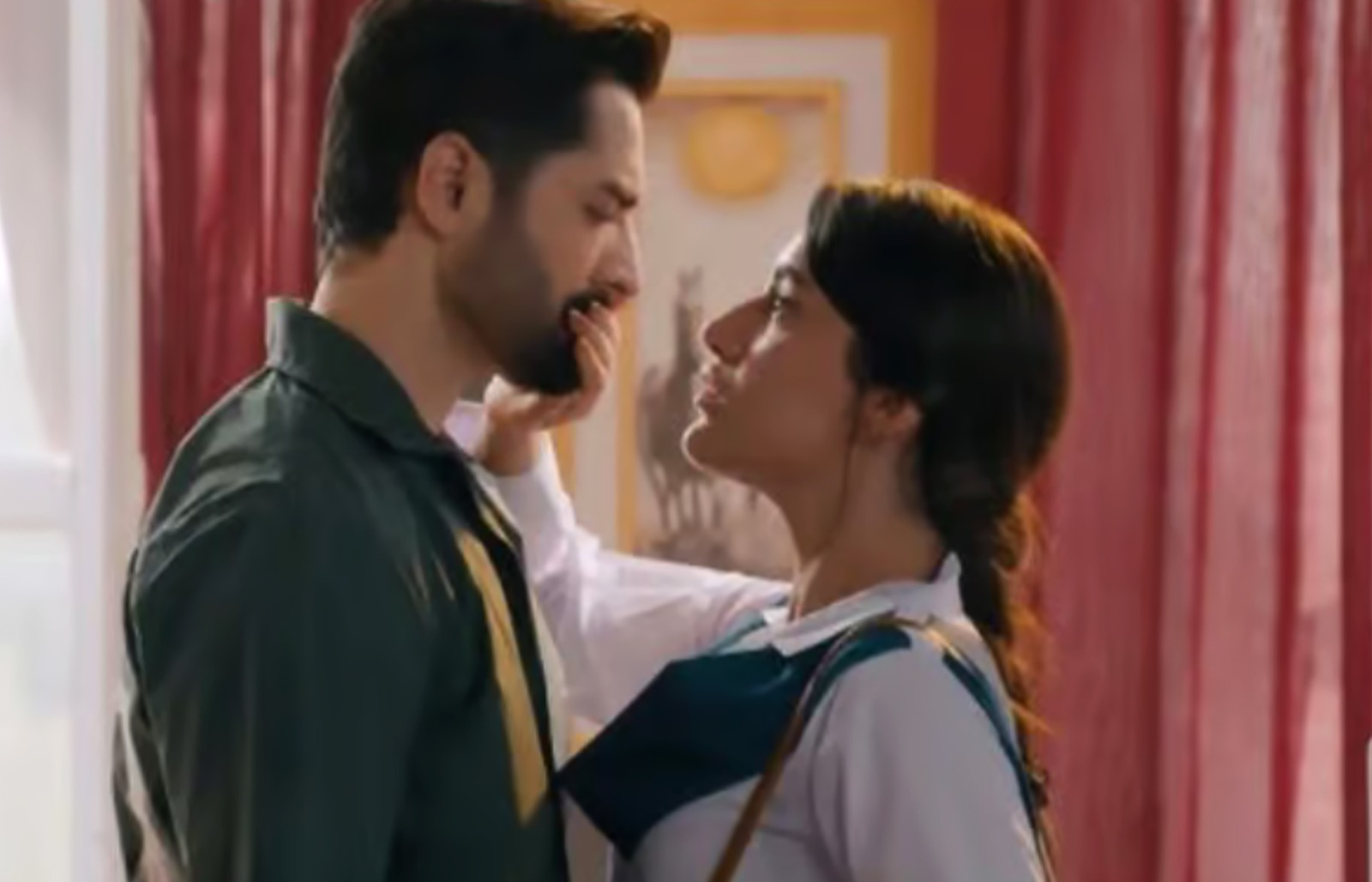
Today, however, that long-standing tradition appears to be evolving. Prime-time dramas are increasingly incorporating more explicit romantic scenes, greater physical intimacy between characters, and dialogue that challenges conventional viewing norms. One of the most talked-about examples of this trend emerged with the widely discussed saree scene in Dr. Bahu, which quickly became a social media sensation. The sequence sparked widespread debate, generated countless memes, and divided public opinion across digital platforms.
Blurring the Line Between Television and Cinema
The controversy reflects a broader transformation within Pakistan’s entertainment landscape. Traditionally, television dramas and cinema occupied distinct creative spaces. Films often explored mature themes and enjoyed greater artistic freedom, while television remained a medium tailored to family audiences. Critics argue that the growing presence of intimate content on television risks blurring these boundaries and could influence the social values and expectations of younger viewers.
The Argument for Creative Evolution
Others, however, view these changes through a different lens. Many industry professionals and progressive observers believe television must evolve alongside society. They argue that modern storytelling requires authentic depictions of human relationships and emotions, and that realistic portrayals should not automatically be categorized as inappropriate or controversial. According to this perspective, television dramas must adapt to changing cultural realities if they are to remain relevant and engaging.
When Controversy Becomes a Marketing Tool
Behind this shift lies a powerful economic reality. In today’s digital media environment, controversy often translates directly into visibility. Content that attracts criticism frequently dominates online discussions, trends across social media platforms, and generates millions of views. The debate surrounding Dr. Bahu demonstrated how public outrage can unintentionally amplify a show’s reach and popularity.
The Economics of Attention in the Digital Age
For broadcasters and production houses operating in an increasingly competitive market, audience engagement has become a valuable commodity. Every comment, share, reaction, and repost contributes to an algorithm-driven ecosystem that rewards attention, regardless of whether the response is positive or negative. As a result, controversy can function as an effective promotional tool rather than a public relations setback.
Can Strong Storytelling Still Win?
Despite these changing dynamics, Pakistan’s television industry has repeatedly proven that exceptional writing, strong performances, and thoughtful direction remain the most reliable ingredients for success. The country’s rich drama heritage demonstrates that audiences continue to appreciate quality storytelling without the need for excessive sensationalism.
The Audience Holds the Final Vote
As Pakistani television navigates this period of transformation, the ultimate decision about what belongs on the screen may no longer rest solely with regulators or broadcasters. Instead, viewers themselves are shaping the future of family entertainment through their viewing choices, online engagement, and evolving expectations. In many ways, the cultural standards of tomorrow are being determined today—one click, view, and conversation at a time.