

There’s a quiet comfort in stories where characters feel instantly familiar — like people you’ve known your whole life. Parwarish, airing on ARY Digital, taps into that intimacy with remarkable ease. Set in a joint family household, it weaves together generational clashes, everyday chaos, and fleeting emotional moments that speak volumes without saying much.
At first glance, the drama seemed nostalgic but uncertain. The cast was fresh and largely unknown, and I’ll admit, I was skeptical. But just a few episodes in, Parwarish proved its strength isn’t in dramatic twists — it’s in emotional truth. The show thrives not on spectacle, but on quiet, sincere storytelling: shared glances, unspoken regrets, and love that simmers beneath frustration.
A Family Divided, Yet Bound Together
At the center are two brothers — Suleman (Saad Zameer) and Jahangir (Naumaan Ijaz). One warm and emotionally present, the other stern and controlling. Their families, now under one roof, navigate the uneasy balance of cohabitation. Their wives, played by Savera Nadeem and Saman Ansari, embody two ends of the spectrum — one resisting tradition, the other adapting to it. Together, a new kind of family dynamic begins to form: tentative, evolving, and deeply human.
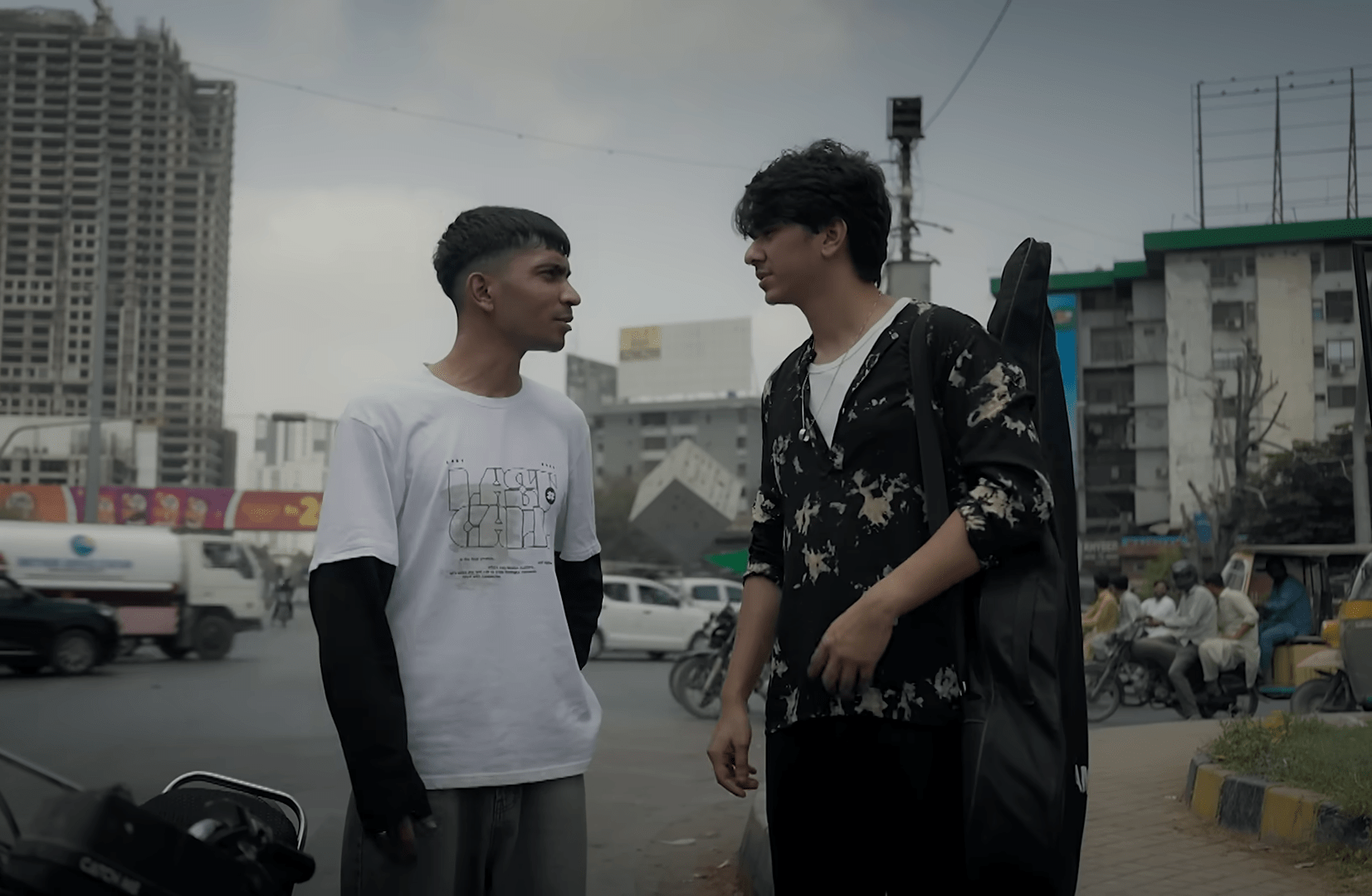
The cousin bond — especially between Wali (Samar Jafri), Maya (Aina Asif), Sameer (Abul Hasan), and Amal (Reham Rafiq) — is one of the show’s brightest spots. Their Gen Z energy is refreshing, capturing the teasing, alliances, and silent support familiar to anyone who’s grown up surrounded by cousins.
Two Worlds, One Truth
While one household thrives on tradition and subtle emotional tension, another — Maya’s middle-class family — carries a heavier emotional load. Her father (Nazarul Hasan) is strict, determined to secure a future for his daughters through socially sanctioned paths. Maya’s choice to get engaged to someone other than Wali, just to continue her studies, is a quiet heartbreak — a familiar trade-off many girls make under social pressure.
A standout moment comes when Maya’s father declares during a confrontation, “Hum aap logon ki tarah iss society say nahi belong kertay…” It’s a line loaded with class tension and quiet pain — a moment Parwarish handles with remarkable restraint and depth.
Real Characters, Real Lives
What sets Parwarish apart is its grounded realism. No cartoonish villains — just flawed, relatable people. Shamim Hilaly as the grandmother anchors the household with old-world wisdom and subtle biases. The daughters-in-law, Nadeem and Ansari, carry their roles with nuance, letting silences and glances speak louder than words.
The acting is top-tier across the board. Naumaan Ijaz brings layers of conflict to Jahangir, while Zameer provides a calm emotional anchor as Suleman. Arshad Mehmood’s grandfather radiates warmth, and Bakhtawar Mazhar’s portrayal of Maya’s mother delivers some of the most powerful scenes in the drama — particularly when she finally stands up to protect her daughter.
Aina Asif, though only 16, plays Maya with incredible maturity, and Samar Jafri’s understated performance as Wali complements her perfectly. Together, they form a romantic arc that feels tender, but wisely doesn’t overpower the broader themes of the show. Still, their young age makes it essential that the narrative remains focused on growth and family, not just romance.
A Story in the Details
Director Meesam Naqvi crafts every scene with intention — letting moments breathe, giving weight to silences, and painting an emotional landscape with softness and care. The production design deserves equal praise. The homes feel lived-in, familiar — from the kitchen clutter to the earthy color palette. Nothing feels staged.
Yes, there was an awkward attempt at Gen Z slang in one episode (“skibidi” and “sigma” made brief appearances), but the show quickly returned to its strength: authentic dialogue and relatable experiences.

A Drama That Stays With You
Parwarish isn’t just about parenting or romance. It’s about identity, class, communication, and the emotional baggage passed between generations. It captures the experience of growing up in a world where expectations are unspoken, where silence often says more than confrontation.
If the show continues on this path — honest, grounded, and emotionally intelligent — Parwarish won’t just be a drama people watch. It’ll be one they remember: in conversations, in family dynamics, and in the quiet moments that mirror real life.